
Trump’s War on Iran
When a bad leader does a good thing poorly
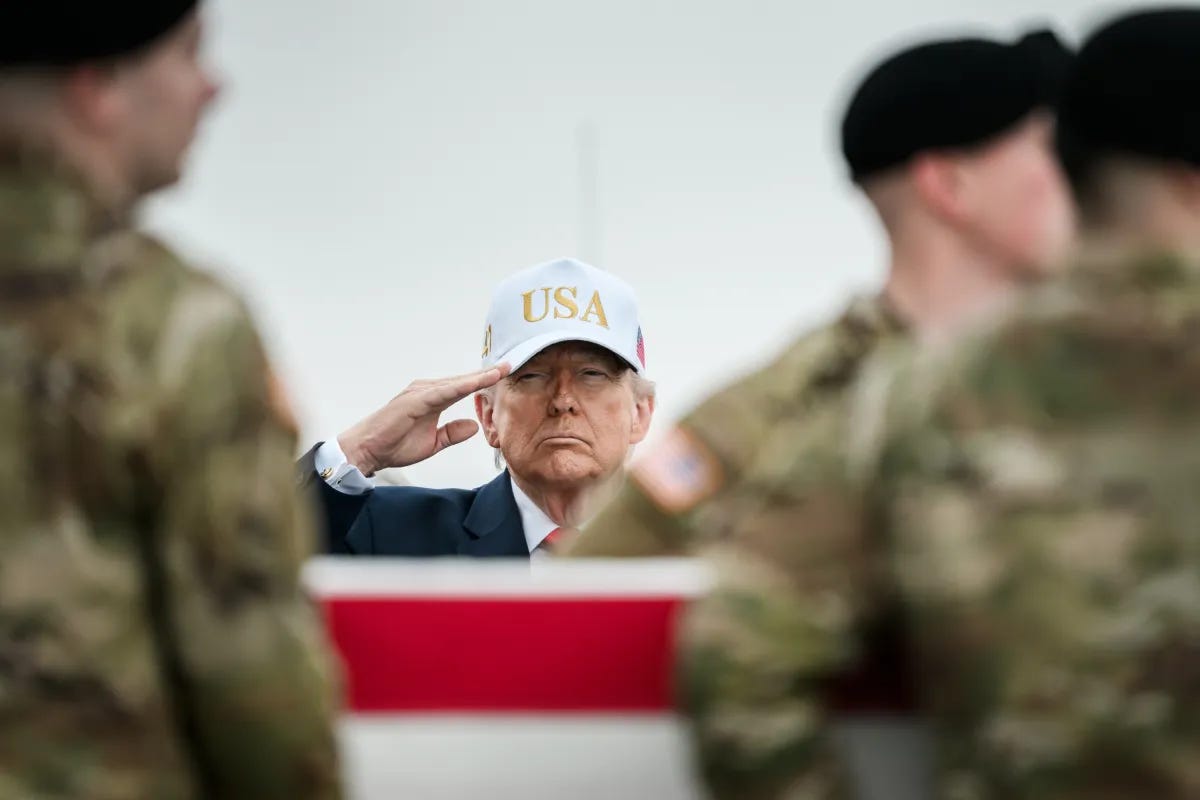
In their heart of hearts, the Jewish Diaspora’s minority of Donald Trump boosters surely recognize that the president is an inept commander-in-chief who self-admittedly launched the war against Iran on instinct.
His campaign began without a coherent mission, without a credible Iranian provisional government-in-waiting, and without a contingency plan should the regime endure or global oil shipping through the Strait of Hormuz face disruption.
He disregarded the advice of America’s allies and now is peeved they are not rushing to help pull his chestnuts out of the Iranian fire.
The war was an improvisational gamble rooted in Trump’s “let’s see what happens” mantra. Indeed, we are all now waiting to see what happens.
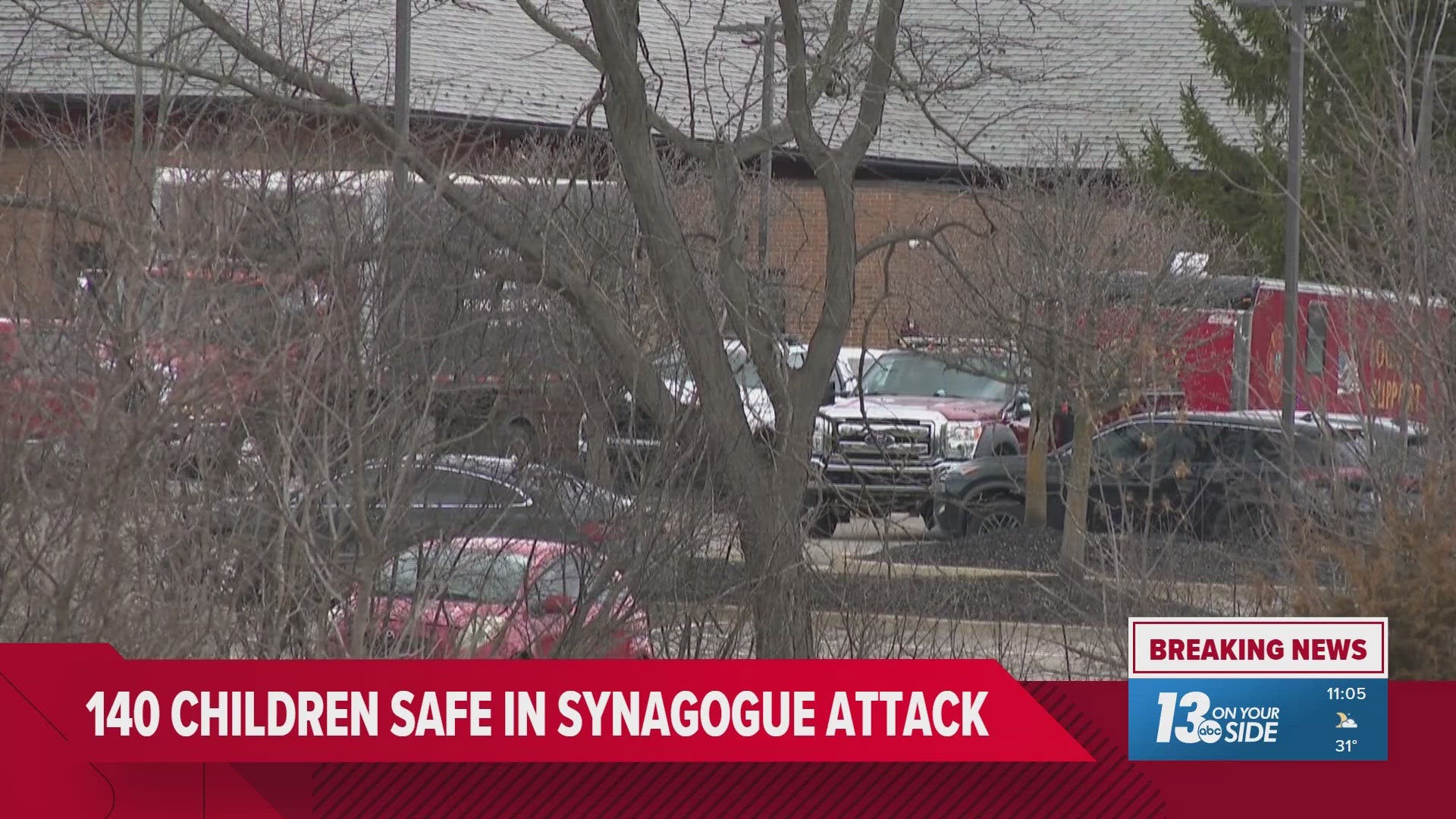
The impact of Trump’s Iran War on the Diaspora is that it has re-oxygenated the antisemitism and anti-Israelism uncorked on October 7, 2023, when the Islamic Resistance Movement Hamas launched its surprise attack on Israel.
Israel’s image among ordinary Americans has plummeted to historic lows. One of the most unpopular US presidents in modern history took his country to war without assembling broad public or congressional support. At the same time, Israel’s deeply divisive prime minister was seen cheering him on. The optics are unmistakable to the American public and damaging to Israel’s brand.
America’s Jewish Trumpians — who have been beating the drums of war — insist that the conflict had to be launched now to halt Iran’s resurgent nuclear ambitions, its growing ballistic missile arsenal, and its expanding network of proxies across Iraq, Lebanon, Gaza, and Yemen. They argue it is better to confront Iran now than later. These arguments might be convincing if the American commander-in-chief were prudent, deliberative, and competent. If there was proof Iran was indeed gunning for a nuclear weapon, if there was no other way to weaken the tottering regime.
Now that it is underway, most Israelis support the war — I am referring to the Iranian front, not this week’s debatable Lebanon land incursion — including those like me who disdain Binyamin Netanyahu.
At least his military acumen is undeniable.
Admittedly, I worry that his first imperative is to stay in power. It troubles me that he has ousted any voice in his inner circle whose dissent had carried weight. Now, more than ever, it’s a one-man show, and Netanyahu is only human – he is not the man he was before his criminal corruption indictment, judicial putsch, reliance on politico-religious crusaders in the cabinet, and the shock he must have felt at the collapse of his appeasement policies toward Hamas, which upended Israel on October 7, 2023.
II
On Day 18 of the war, there is little evidence that Iran’s nuclear infrastructure can be neutralized through airpower alone. Granted, the prospect that the air war has degraded the mullahs’ ballistic missile capabilities is more encouraging.
The two biggest decisions Trump must make, according to a recent New York Times analysis, are whether to attack, with American ground troops, Kharg Island, the epicenter of Iran’s oil industry, and whether to attempt to retrieve 970 pounds of near-bomb-grade uranium stored in deep tunnels in Isfahan. You can confidently presume that no pre-war planning went into either possible operation because by now, Iran’s regime was supposed to have folded like a cheap suitcase.
At any moment, Trump could commit American ground troops or declare victory, asserting that he had transformed Iran into a paper tiger and withdraw, leaving Israel in the lurch. He might insist that both the nuclear and the missile threats have been “re-obliterated.” Trump, as we all know, lives partly in an alternate reality.
Should the war end abruptly with the wounded embittered Islamist regime intact, I fear it would strive toward acquiring off-the-shelf weapons of mass destruction from North Korea or Russia to achieve credible future deterrence. And wouldn’t the Gulf Arabs also want a nuclear deterrence now more than ever? In short, the unintended consequences of this war could prove terrifying.
From the start, Trump’s military campaign lacked a roadmap for seizing Iran’s enriched uranium, a postwar governance plan, or even preparations for the predictable economic crisis triggered by a blockade of the Strait of Hormuz. Trump’s surprise at Iran’s retaliatory strikes on Gulf Arab states underscores a staggering level of strategic naiveté.
The ex post facto justification that the war will weaken China, which is dependent on Iranian and Gulf oil, is unconvincing. While China sources roughly 14 percent of its oil from Iran, and just over half from the broader Persian Gulf region, it remains uncertain whether undermining Beijing’s energy security will restrain or intensify its aggressive posture toward Taiwan. Meanwhile, what is clear is that authoritarian oil-exporting Russia profits from the war.
Jewish Trumpians also refuse to acknowledge that Trump’s unilateral withdrawal from the 2015 Obama-era nuclear JCPOA deal, absent any Plan B, was a mistake. The deal was limited and imperfect, but there is a case to be made that it kept Iran’s nuclear program verifiably constrained. As for its Hamas proxy, pulling out did nothing to divert its commitment to destroy Israel. It also failed to account for the fact that Hamas was, anyway, also a client of Qatar, which Trump views as an incredible ally. And of course, Netanyahu’s bureau was also tied to Qatar with Jonatan Urich, Eli Feldstein, Yisrael “Srulik” Einhorn, and others on its payroll “indirectly.”
For the MAGA-aligned Jewish right, no amount of evidence can break their devotion or force them to confront the argument that Trump’s grievance-based leadership has uniquely destabilized the nation’s democratic institutions and global standing.

Maybe a more capable leader could have united the nation around confronting Iran while marginalizing anti-Zionist elements across both major parties. Jewish Trumpians are stunned at the anti-Israelism that’s been unleashed by the war. What did they expect would happen when the world watched Netanyahu lobby Trump, flanked by the president’s inner circle of Jewish real estate moguls and venture capitalist family members, to make war on Iran? The Marit Ayin or perception of impropriety — however misleading — was inevitable, namely that the Jews were steering Trump toward fighting a war on Israel’s behalf.
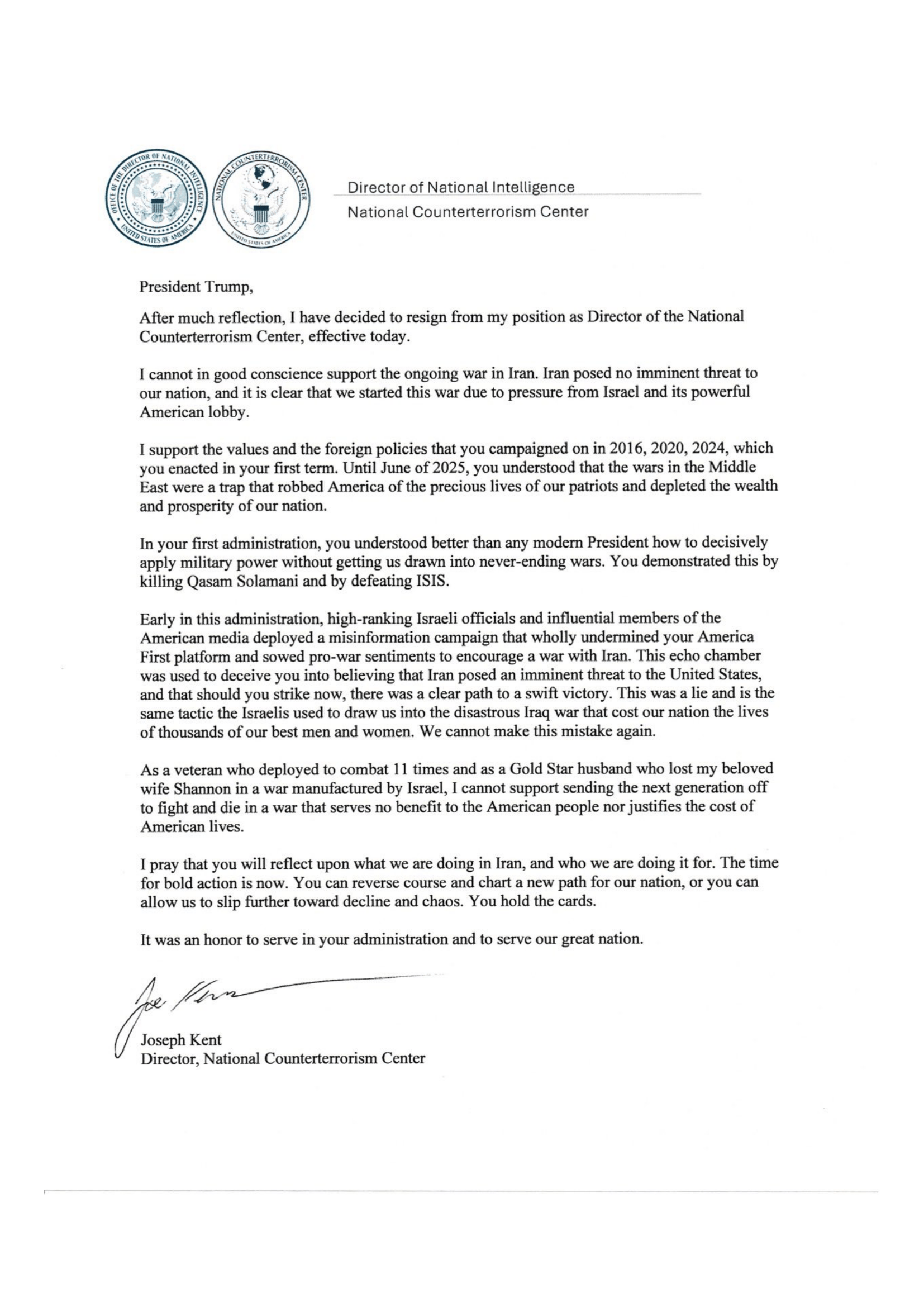
Yes, my assessment is tinted by a dislike for Trump. And I readily acknowledge that even a broken clock can be right twice a day. Bad people can do good things. That said, the reason I dissented even before what we here in Israel are calling the Second Iran War is that I do not trust Trump’s ability as commander-in-chief. I had no faith that the grovelling yes-men and yes-women who surround him would give him good advice, or that he could connect the dots that CENTCOM laid out for him.
Here, then, is one of those cases when “Don’t just do something – stand there!” might have been a better policy for America.
Brilliant. I must confess that I had to look up “Marit ayin”. It was important to wake up in California this morning and have your Substack be one of the first things we read.
As the war proceeds in its third week, we here in the jewish diaspora - though I have a hard time conceding MAGA alignment - have a sense of growing unease. This may not end well.
With foreign media banned, a four-day visit offers a rare account of daily life, war and public mood inside Iran
https://www.haaretz.com/middle-east-news/iran/2026-03-24/ty-article-magazine/.premium/many-see-it-as-a-war-against-iran-itself-a-rare-account-from-inside-iran/0000019d-1fad-d7c1-a59f-dfff64d80000